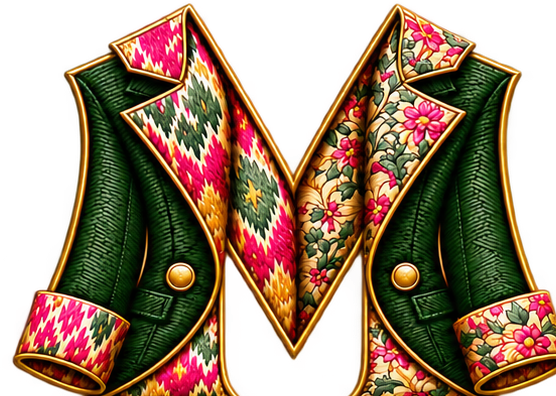
Design & pattern
A textile begins with decisions about motif, color, scale, and technique. Some traditions plan the pattern on yarn; others create it during weaving.
Before a textile becomes a garment, it begins with skilled hands, careful decisions, and time.
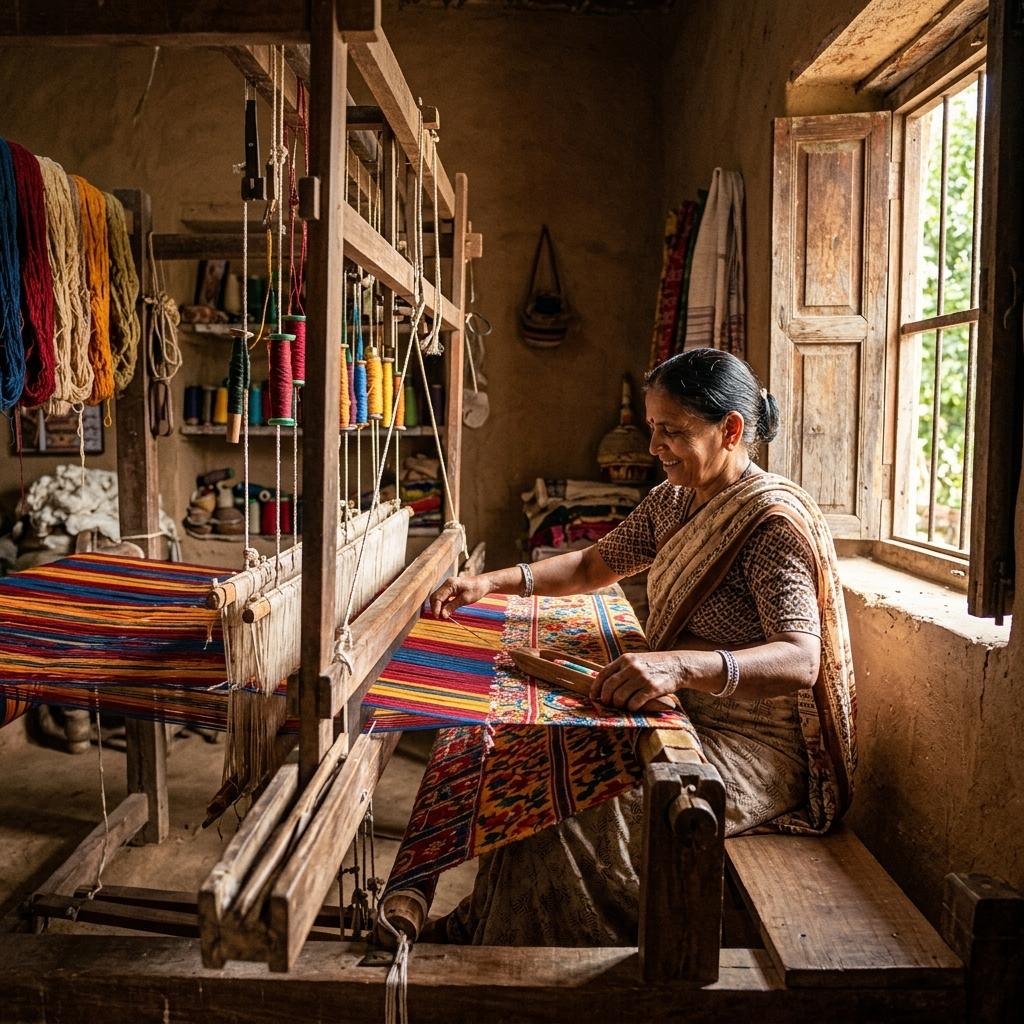
The weavers' story
Traditional weaving is a balance of knowledge, patience, and practice. Patterns are planned, yarns are prepared, and threads are guided through looms in a process shaped by regional techniques.
These are living skills sustained within weaving communities. We want to honor the skill behind the fabric without reducing it to a decorative print.
Every pattern begins with skill, patience and the artistic traditions that give woven textiles their distinctive character.
THE PROCESS IN MOTION
Two brief visual studies of traditional loom movements, yarn arrangements, and patterned cloth.
The rhythm of the loom. The beauty of each thread. A tradition of artistry worth celebrating.
From thread to textile
A textile begins with decisions about motif, color, scale, and technique. Some traditions plan the pattern on yarn; others create it during weaving.
Yarns may be prepared, tied, dyed, wound, and arranged before they are interlaced. Processes vary from one weaving tradition to another.
We thoughtfully select textiles and explore how their beauty can be translated into the shape, detail, and movement of a modern blazer.
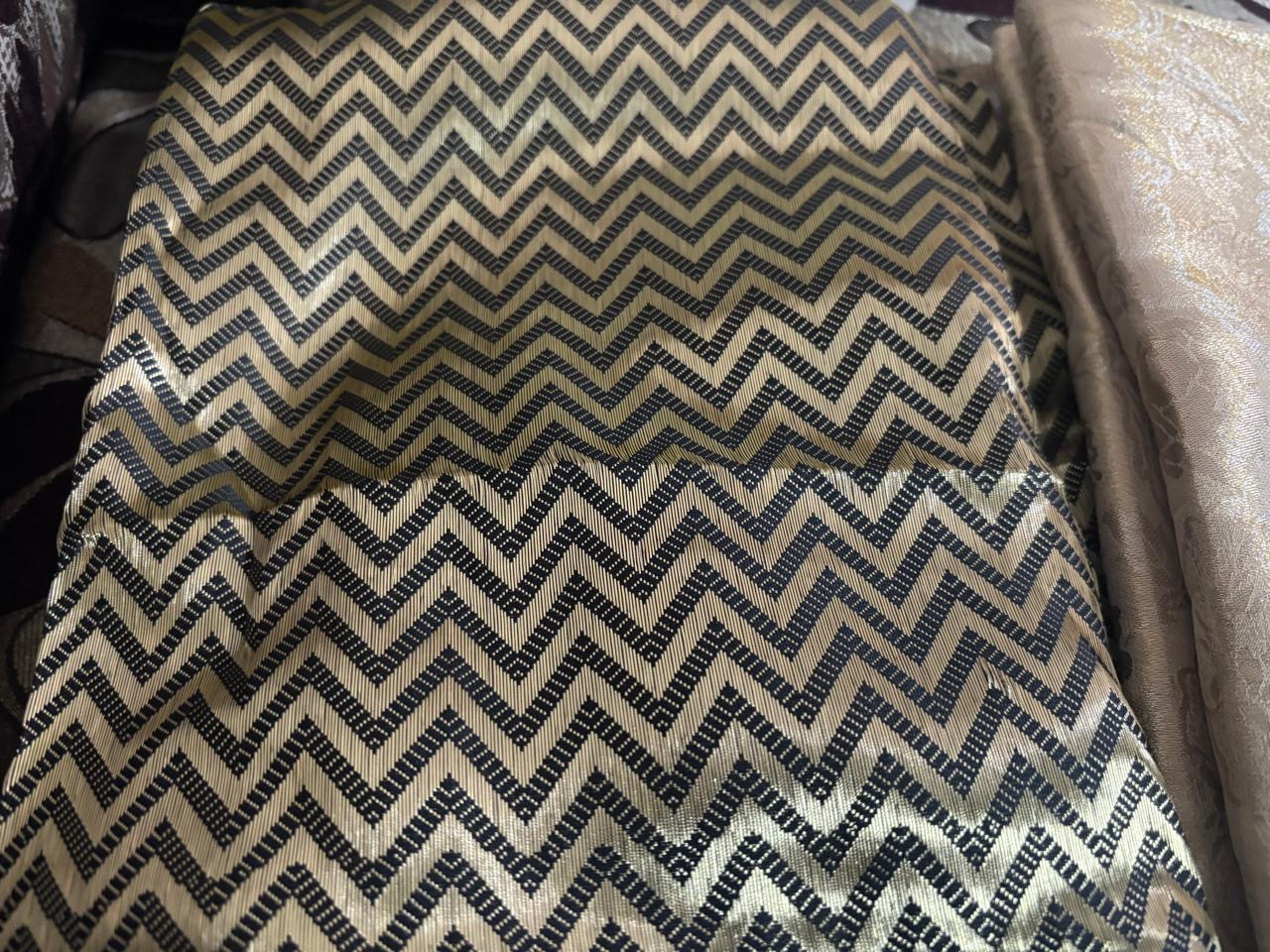
Thoughtfully chosen
Sometimes heritage appears in an entire statement blazer. Sometimes it is a beautifully patterned lapel or cuff. The idea stays the same: let the textile speak, in a form made for today.
Explore the collections ↗